

Woad
Heritage and Sustainable Innovation
About the Woad project
Conservation sits at the intersection of the arts, humanities and sciences. Looking simultaneously to the past and the future, conservators investigate historic materials and techniques while embracing new technologies. Lincoln Conservation is committed to revisiting historic knowledge in order to create sustainable solutions to some of today’s pressing global problems.
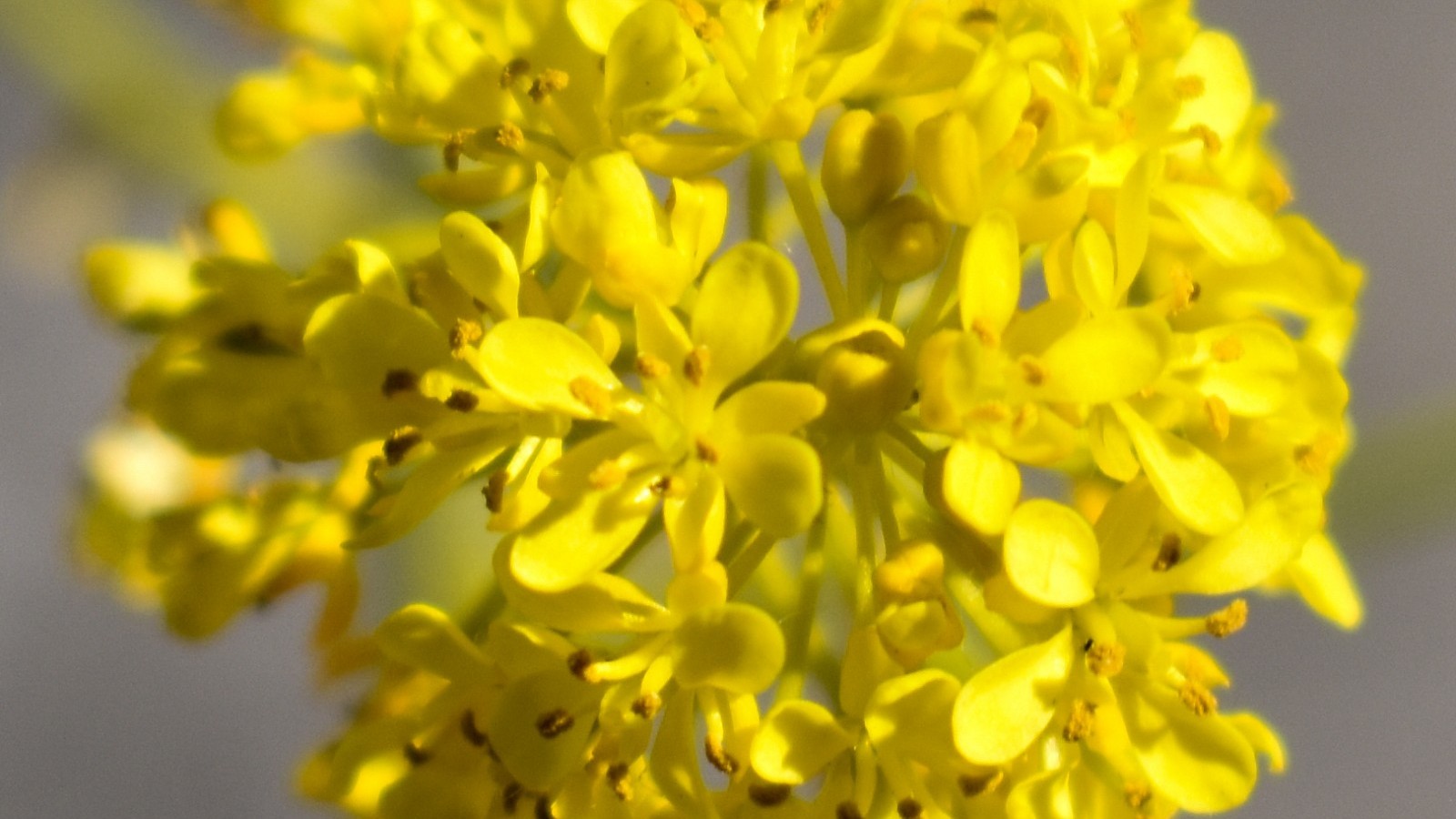
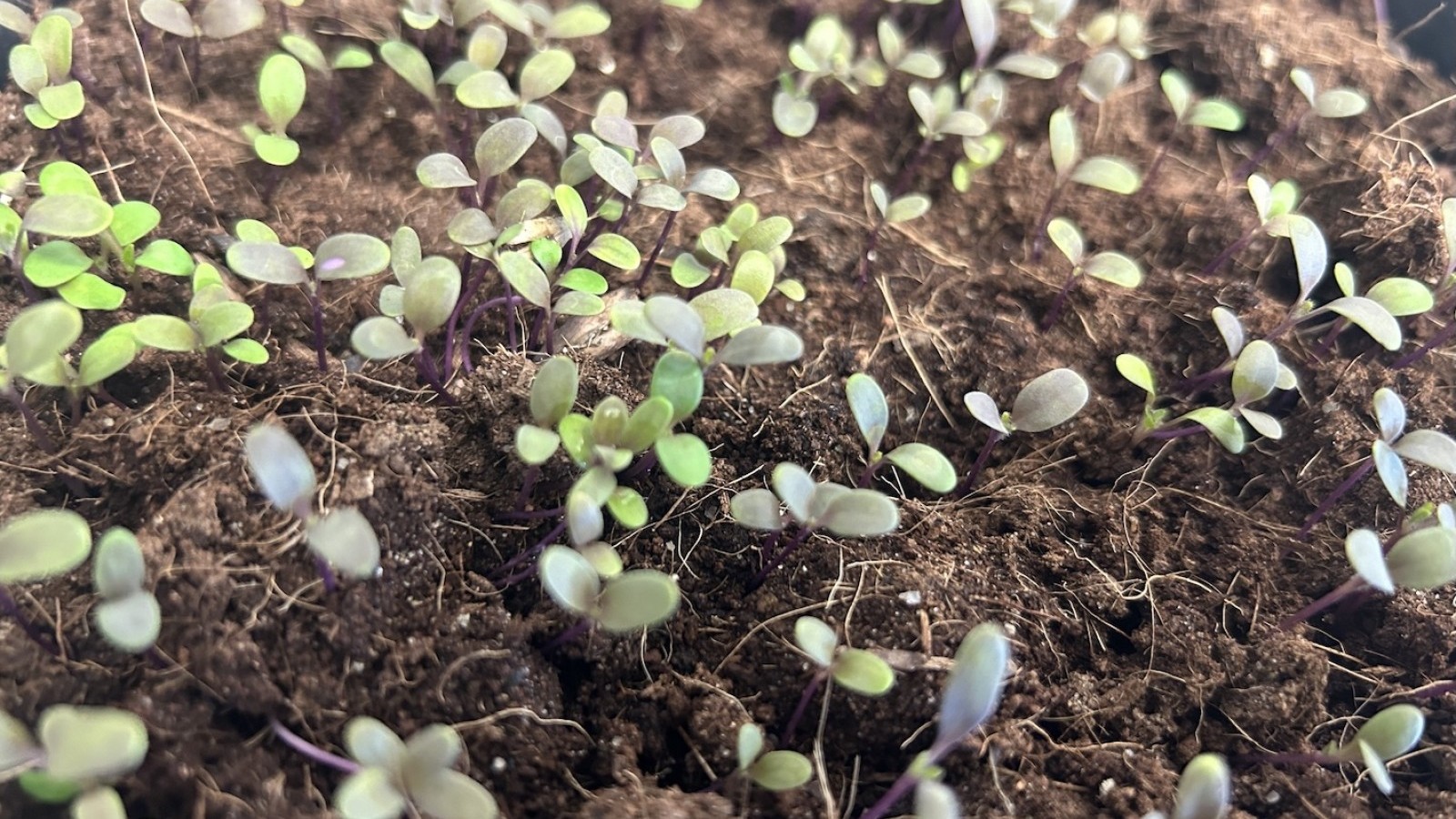
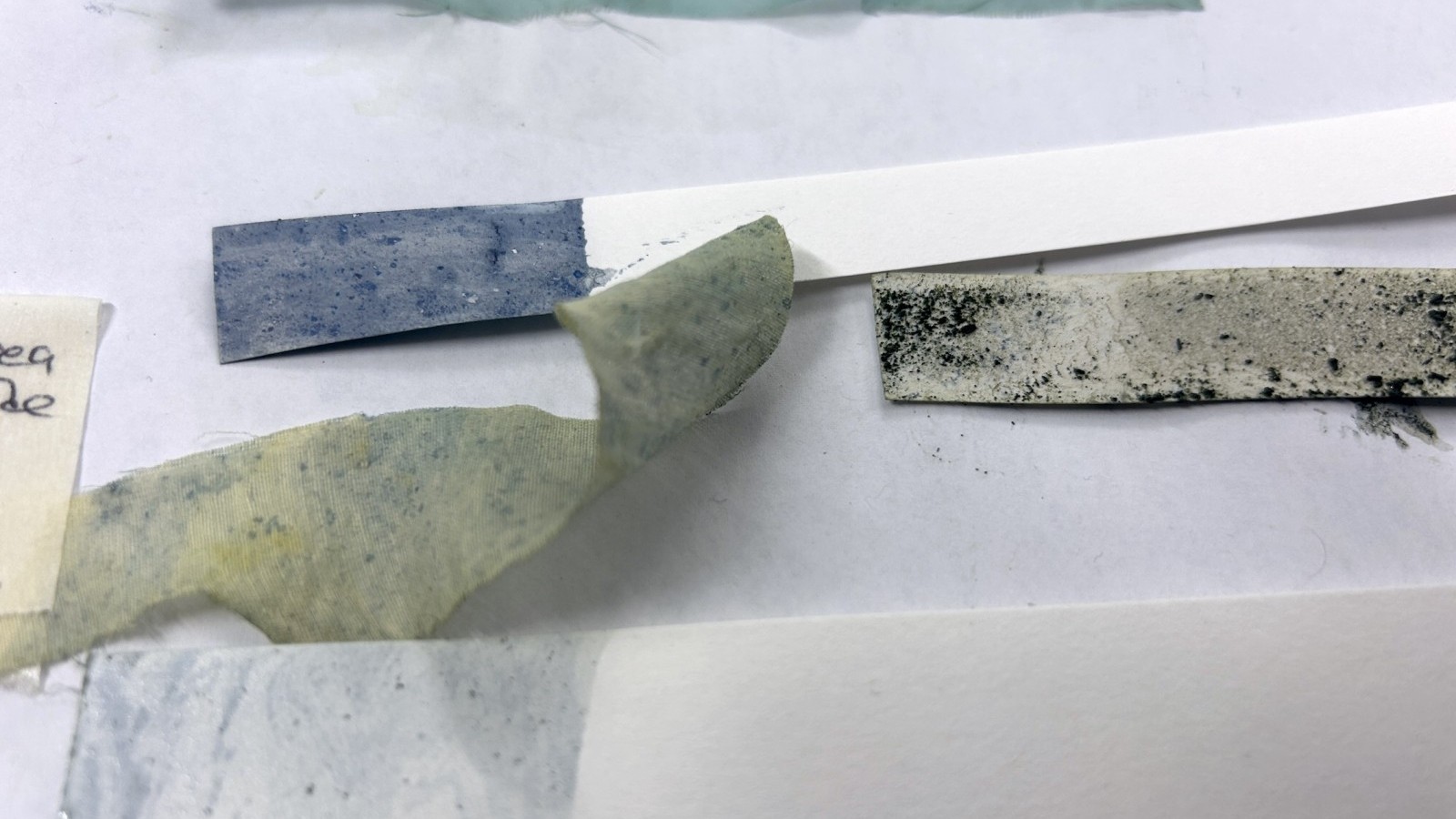
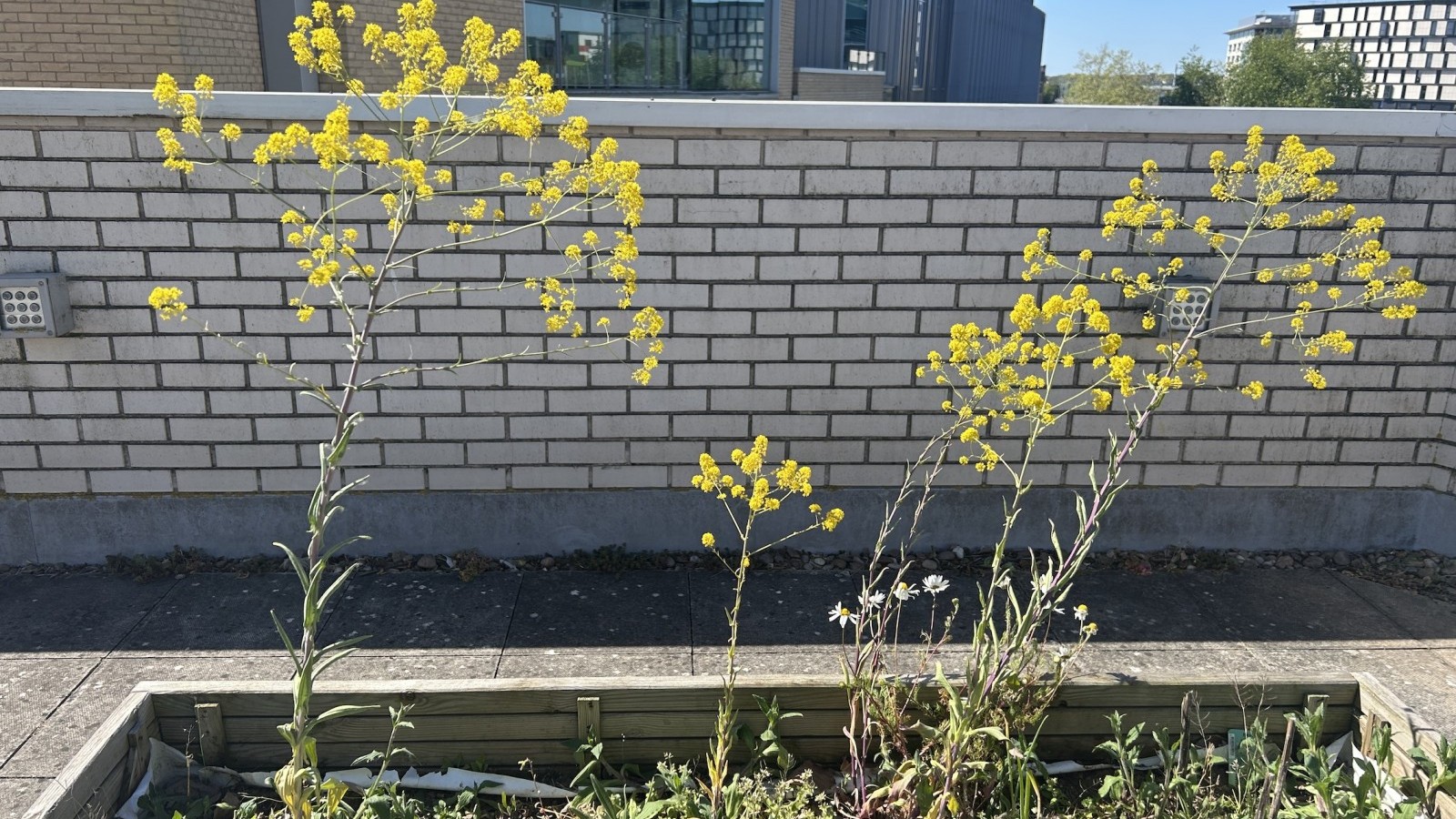
The Woad Project investigates this premise through the interdisciplinary investigation of Woad (Isatis tinctoria), a traditional dye plant native to, and with strong historically commercial ties to, Lincolnshire, as well as other global regions, including Northern Europe, West Africa, and the USA.
Though perhaps best known for its use as a blue dye, Woad has many other properties with medicinal and agricultural applications and thus offers a possible greener solution to current problematic chemicals.
Modest revivals of the cultivation and use of woad have been successful in localised pockets, but these have not been significantly scaled up, and their wider applicability, economic value and social acceptability remains insufficiently understood. This is compounded by a fragmented intellectual and commercial landscape, leading to missed opportunities for coherent, insightful and impactful collaboration.
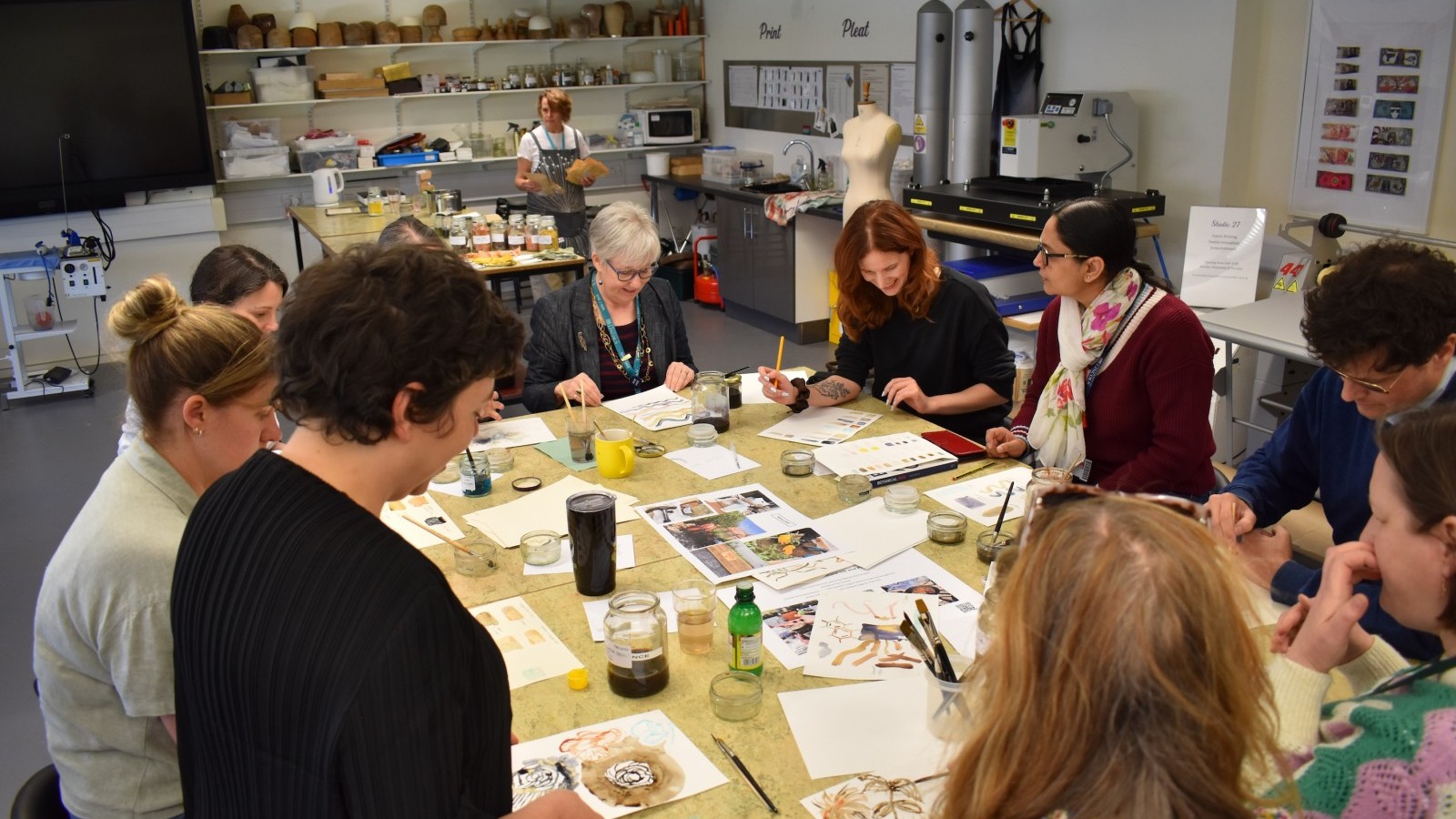
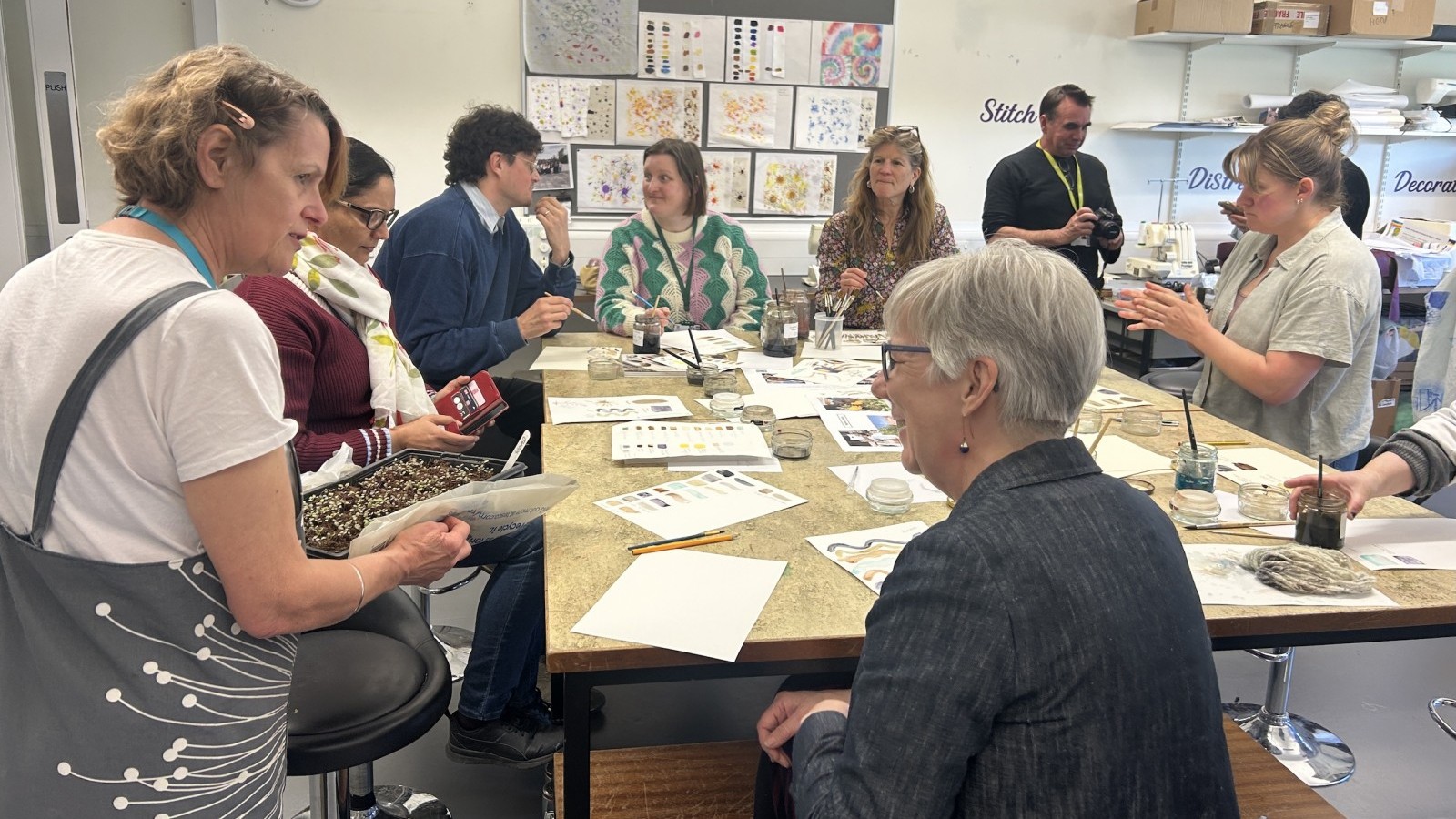
The Woad project aims to bring together researchers, practitioners, and producers of woad to identify current barriers and explore interdisciplinary possibilities.
Project Team
Dr Jim Cheshire – jchesire@lincoln.ac.uk
Celeste Sturgeon – csturgeon@lincoln.ac.uk
Dr Phillipa McDonnell – pmcdonnell@lincoln.ac.uk
Related Projects